Introduction to the Rwenzori Mountains
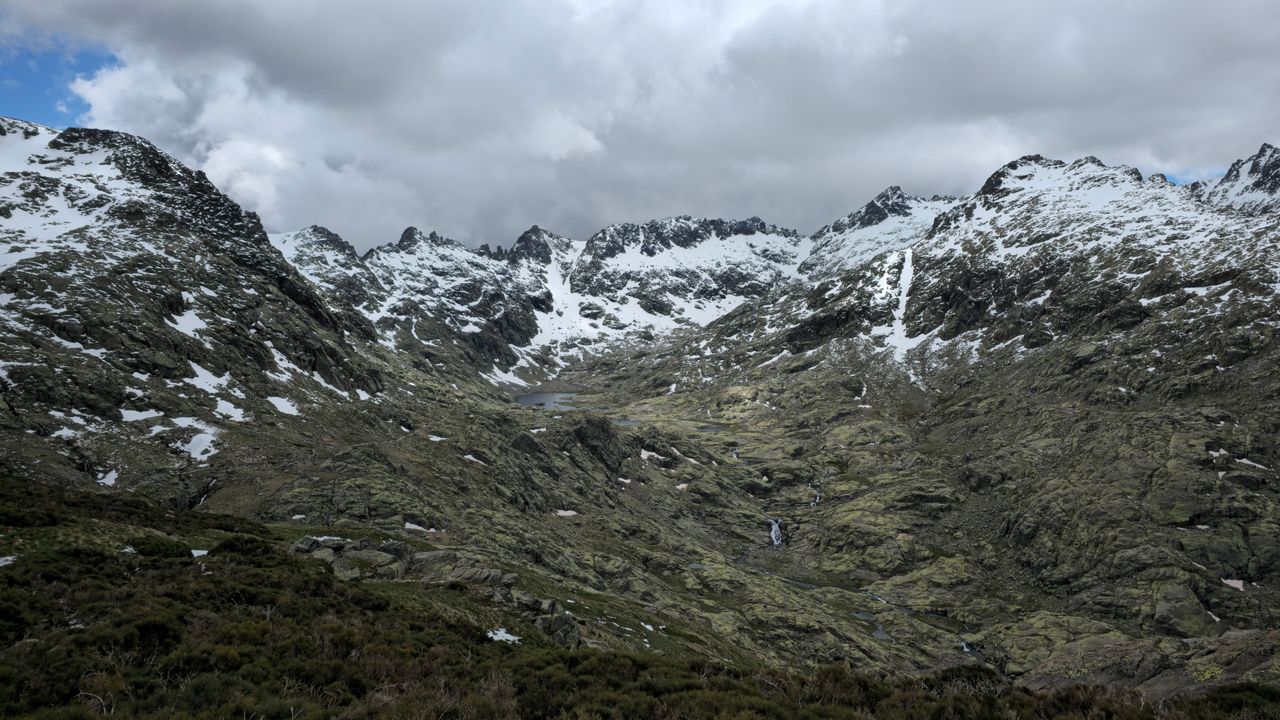
The Rwenzori Mountains, also known as the Mountains of the Moon, stand as Africa's third highest mountain range at 5,109 meters (16,763 feet). Located on the border between Uganda and the Democratic Republic of Congo, these dramatic peaks offer one of the most challenging and rewarding trekking experiences on the continent.
Unlike Kilimanjaro or Mount Kenya, the Rwenzori Mountains are less frequented by international trekkers, making them a true adventure into pristine wilderness. The range encompasses six major snow-capped peaks, with Mount Stanley (Margherita Peak) being the highest.
Best Time to Visit
The Rwenzori Mountains experience two wet seasons: March to May and September to November. The dry seasons (June to August and December to February) offer the most stable weather conditions for trekking, though precipitation can occur year-round due to the mountain's unique equatorial glacier system.
For optimal conditions, plan your trek during the long dry season from June to August or the shorter dry season in December to early January.
Physical Preparation
The Rwenzori Mountains are technically moderate but physically demanding. Altitude acclimatization is crucial, as you'll be trekking between 2,000 and 5,000 meters elevation. Here's how to prepare:
- Build cardiovascular fitness through regular hiking with elevation gain
- Complete 4-6 weeks of intense training before your trek
- Acclimatize slowly by planning a multi-day trek itinerary
- Stay well-hydrated at altitude and take rest days seriously
What to Pack
Given the varied climate from tropical rainforest to alpine glacier, packing smartly is essential:
- Waterproof jacket and rain pants (this is critical)
- Warm layers: fleece jacket and thermal base layers
- Trekking boots with ankle support for wet terrain
- Sleeping bag rated for cold nights (0°C or below)
- Water purification tablets or filter
- High-energy snacks and electrolyte replacements
- First aid kit with altitude sickness medication
Recommended Itinerary
A typical Rwenzori trek spans 6-8 days. Here's a recommended itinerary:
- Days 1-2: Arrive and acclimate in Fort Portal
- Day 3: Trek to Nyabitaba Hut (2,651m)
- Day 4: Trek to Bujuku Hut (3,962m)
- Day 5: Summit attempt at Margherita Peak (5,109m)
- Day 6: Descend to Lake Bujuku Camp
- Days 7-8: Descend to starting point and rest
Safety Considerations
Always trek with a licensed guide from the Rwenzori Mountaineering Services. The terrain is challenging, weather can be unpredictable, and altitude sickness is a real risk. Make sure to:
- Register with your embassy before trekking
- Hire experienced local guides and porters
- Carry travel insurance that covers high-altitude trekking
- Check current security and travel advisories
- Never trek alone
Conclusion
The Rwenzori Mountains offer an unforgettable adventure for those willing to embrace the challenge. The combination of equatorial glaciers, dramatic scenery, and untouched wilderness makes it one of Africa's most spectacular treks. With proper preparation and respect for the mountain's demands, you'll return with memories and accomplishments that will fuel your wanderlust for years to come.
Affiliate Disclosure: This article contains affiliate links to recommended gear and services. We may earn a commission if you make a purchase through these links at no additional cost to you. We only recommend products and services we genuinely believe in.